Heat Shield Materials: Types, Temperature Ratings & Industrial Applications
Introduction: Heat shields help protect components from excessive heat, which can help improve safety, maintain performance, and support equipment service…

PREMIUM QUALITY
In situations calling for wire insulation that can withstand high temperatures, exhibit fire resistance, and maintain circuit integrity under extreme conditions of up to 500°C and voltage levels of up to 1000 volts, engineers often turn to solutions like mica tape, which surpass the limitations of conventional cables employing traditional extruded rubber or plastics.
Axim’s Airex cable tapes are designed to offer unique high-temperature features for various applications. These tapes are made from thin inorganic mica paper bonded with silicone resins, providing exceptional performance in high-temperature environments. Key features and applications of Axim’s Airex Cable tapes include:
The tapes can be bonded with glass, polyethylene, or polyester film, offering a range of strength and durability options.
These tapes can be precision slit to widths small as 3mm, allowing for precise and customized applications.
Airex cable tapes can be spiral wrapped on wires as small as 22 gauge, making them suitable for a wide range of wire sizes.
Used in power cables to ensure uninterrupted electricity flow, even in extreme conditions, enhancing grid reliability.
Protects wiring in devices from overheating, preventing damage and ensuring long-term functionality.
Vital for insulating cables in vehicles, safeguarding against electrical failures and enhancing safety in automotive electrical systems.
Ensures the integrity of wiring in aircraft and spacecraft, where reliable insulation is critical amidst varying atmospheric conditions.
Applied in the wiring of buildings for fire protection, it contributes to overall structural safety by preventing the spread of fire through electrical systems.
Airex is made of high-grade Phlogopite, Muscovite or synthetic mica paper impregnated with a specially developed high temperature resistant silicone resin and reinforced with a glass cloth or PE film.
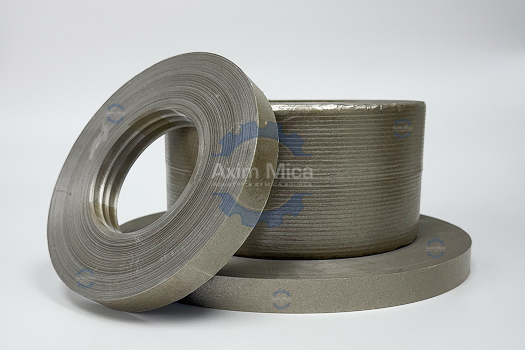
Glass cloth reinforced Phlogopite mica tape.
Glass cloth reinforced Muscovite mica tape.
Glass cloth reinforced Synthetic mica tape.
PE film reinforced Phlogopite mica tape.
PE film reinforced Muscovite tape.
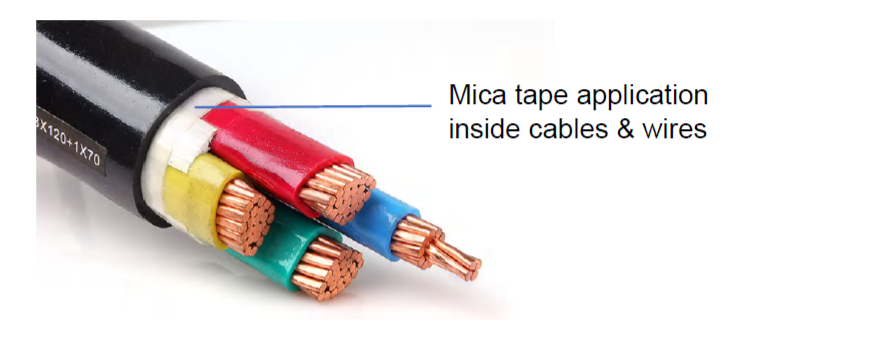
Ensures safe and stable electrical operations, minimizing risks of short circuits and electrical fires.
Suitable for a wide range of applications across various industries, from energy to aerospace, thanks to its adaptability and customizable features.

Our AX-THERM Muscovite & Phlogopite mica sheets consist of 85-90% high-grade Muscovite or Phlogopite that is impregnated with a high temperature resistant silicone resin.
Imagine the unsung hero, the quiet workhorse protecting critical systems from the invisible forces of extreme heat and electrical surges. That, my friends, is Mica insulation. It’s not flashy, nor does it typically grab headlines, but without it, much of our modern world—from your toaster to a jet engine—would fail. Derived from natural mineral deposits, Mica possesses an extraordinary combination of properties that make it indispensable in high-performance applications. Think of it as nature’s own firewall—a robust barrier that is capable of withstanding temperatures that would melt steel and voltages that would arc through conventional materials. From industrial furnaces to precision electronics, Mica acts as a critical safeguard, ensuring safety, efficiency, and longevity. I’ve seen firsthand how the right Mica application can turn a high-risk engineering challenge into a reliable, long-term solution. Let’s delve into why this humble mineral continues to be a cornerstone of advanced insulation technology.
Mica insulation is a high-performance material derived from natural mineral silicates, primarily valued for its exceptional thermal and electrical insulating properties. It’s special because it maintains its dielectric strength and structural integrity at temperatures that cause most other insulating materials to degrade or fail. This unique combination makes it indispensable for critical applications that require extreme heat and electrical resistance, acting as a robust barrier against both heat transfer and electrical breakdown.
Takeaway: Choose Mica for applications that demand unwavering electrical and thermal performance under extreme conditions.
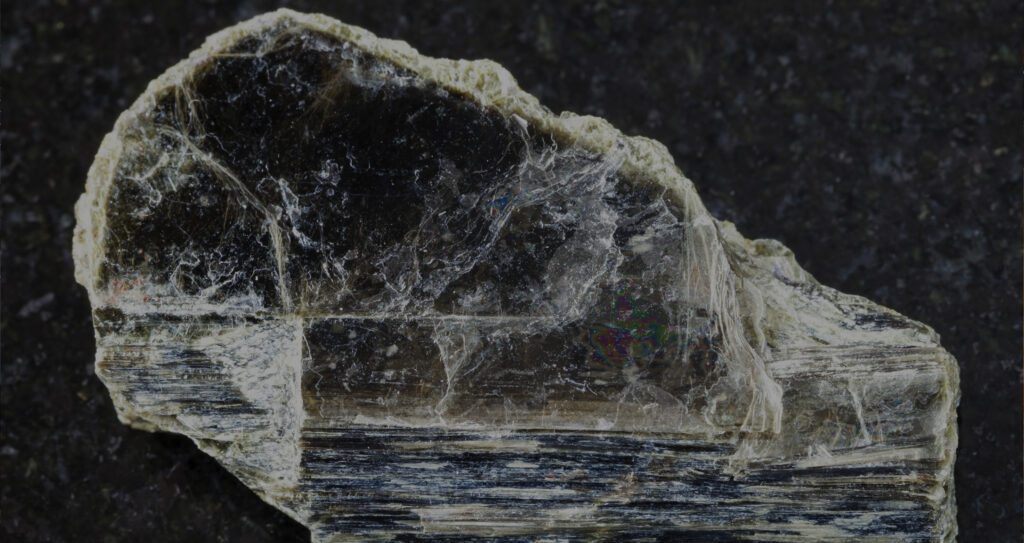
Mica’s natural lamellar (layered) crystalline structure, which is composed of thin, strong sheets, is fundamental to its superior insulating properties. This flaky, stratified arrangement creates an intricate pathway that effectively impedes the flow of both heat and electricity, providing high dielectric strength and low thermal conductivity. The atomic bonds within these layers are extremely strong, allowing it to withstand high temperatures and voltage without breaking down, mimicking a microscopic labyrinth for energy. This inherent design is what makes it such a remarkable barrier.
Takeaway: Understand Mica’s layered structure—it’s the secret to its robust thermal and electrical resistance.
Mica insulation first found its essential applications in early electrical and heating devices due to its natural abundance and superior properties. Historically, it was crucial in early electronics like capacitors and vacuum tubes, and as an insulating barrier in stoves and heaters, long before synthetic alternatives existed. Its ability to withstand high temperatures and isolate electricity made it an immediate choice for components where safety and reliability were paramount, establishing its foundational role in electrical engineering. Think of it as one of the first high-tech materials.
Takeaway: Recognize Mica’s pioneering role in high-temperature electrical applications, setting the standard for insulation.
The key thermal benefits of using Mica insulation include exceptional heat resistance and low thermal conductivity, enabling it to operate effectively in extreme, high-temperature environments. Mica can withstand continuous temperatures ranging from 500°C to over 1,000°C, depending on the type, without melting, deforming, or losing its insulating properties. It also acts as an effective thermal barrier, slowing down heat transfer and protecting sensitive components from thermal damage. This makes it ideal for applications like furnace linings and heating element supports.
Takeaway: Leverage Mica’s high-temperature stability to ensure equipment longevity and safety in heated systems.
Mica excels as an electrical insulator due to its high dielectric strength, low dielectric loss, and excellent arc resistance, outperforming many common materials in high-voltage scenarios. Its inherent non-conductive nature prevents electrical current leakage and breakdown, even under significant electrical stress or voltage spikes. Unlike many plastics, Mica does not carbonize when exposed to electrical arcs, making it safer and more reliable in applications like switchgear and motor insulation. This combination ensures long-term electrical stability and protection.
Takeaway: Utilize Mica’s superior dielectric strength to prevent electrical breakdown in high-voltage systems reliably.
Explore helpful articles and guides related to this service.
Introduction: Heat shields help protect components from excessive heat, which can help improve safety, maintain performance, and support equipment service…
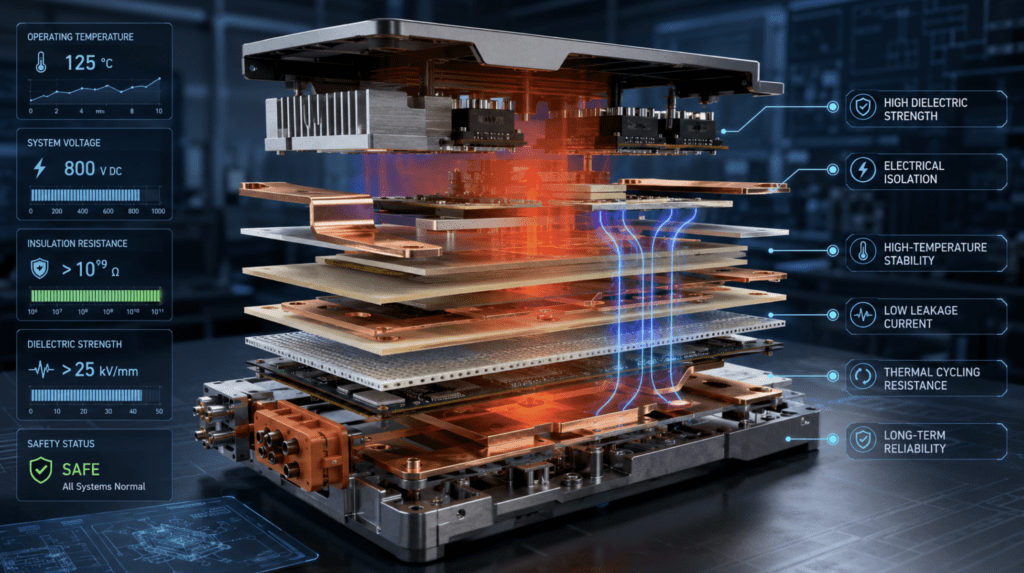
Introduction Electronic systems operating at elevated temperatures must maintain reliable electrical isolation throughout their service life. As temperatures rise, the…
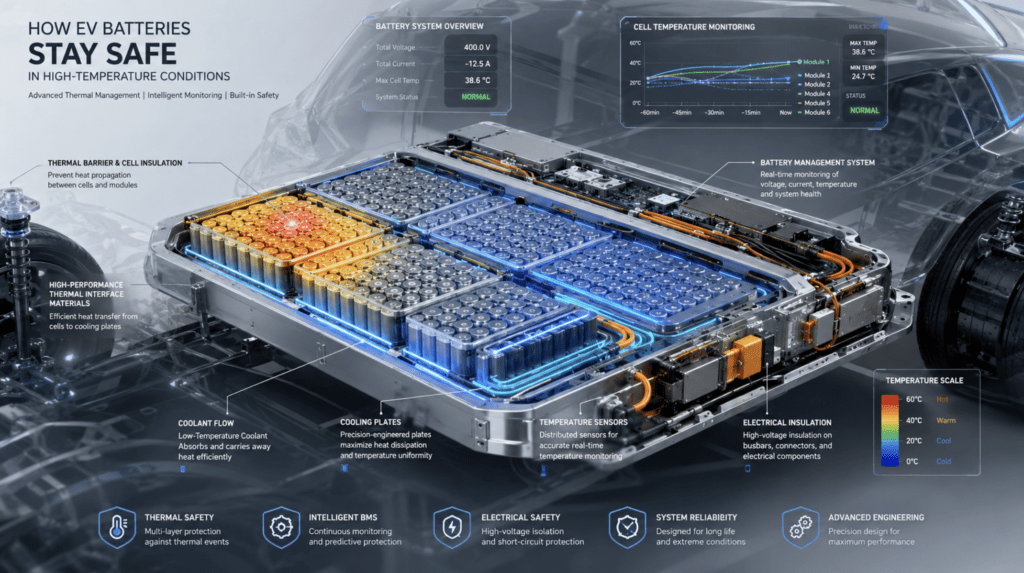
Introduction Electric vehicles rely on lithium-ion batteries operating within a controlled temperature range to support consistent performance, service life, and…
Copyright © 2026 Axim Enterprises Inc. All Rights Reserved.